(425) 217-8599 Appointment

Preservation Facelift Kirkland, WA

Preservation Facelift Kirkland and Bellevue

A Modern Approach to Facial Rejuvenation

There is a shift happening in how we approach aging. Instead of waiting for a moment when everything needs to change, many of us prefer to curate our look along the way, keeping things fresh, familiar, and authentic. It is about treating your face like the long-term investment it is—prioritizing structure and longevity over drastic alterations.

The Preservation Facelift at Tseng Plastic Surgery fits right into this modern philosophy. Designed for patients in Kirkland who want to secure their natural definition without a major surgical overhaul, this procedure creates a seamless, high-definition refresh. Dr. Tseng focuses on supporting the underlying features that make you look like you, ensuring you walk out looking rested and sharp rather than "done."
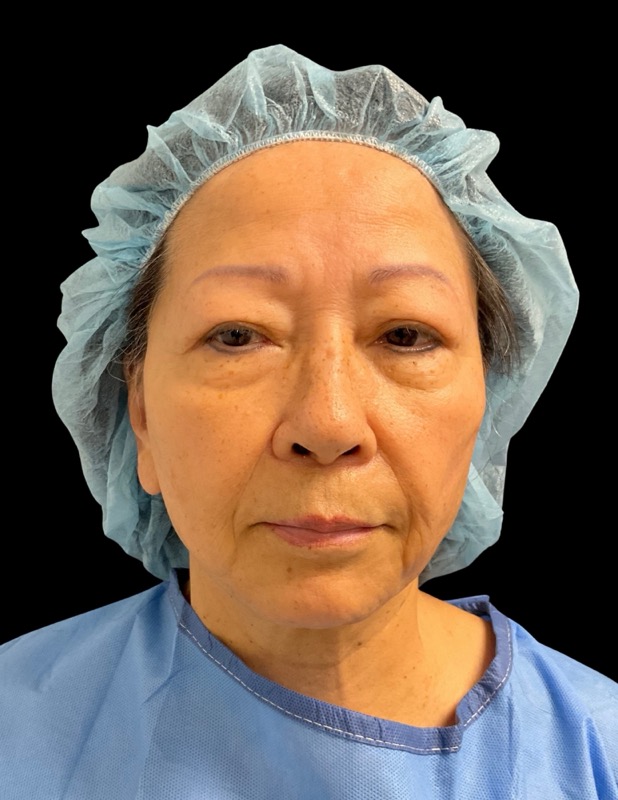
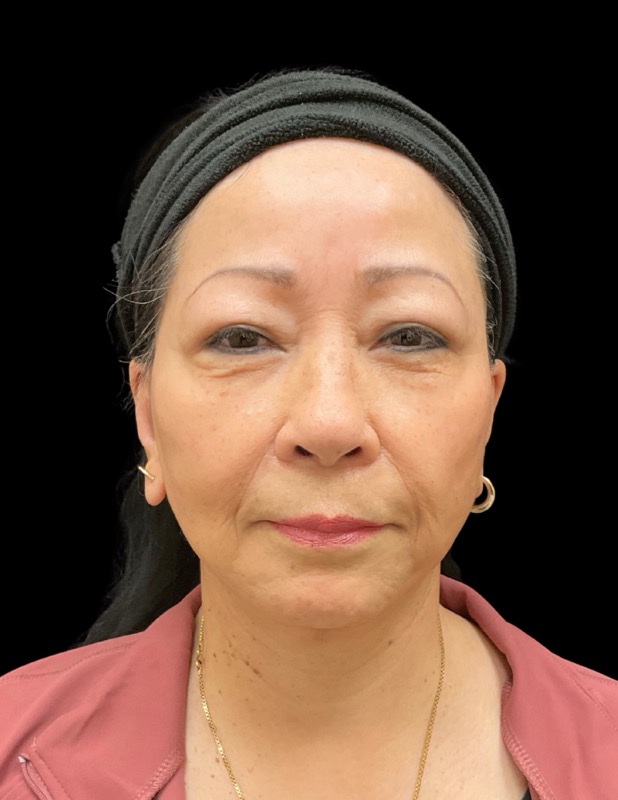
What Is the Preservation Facelift?

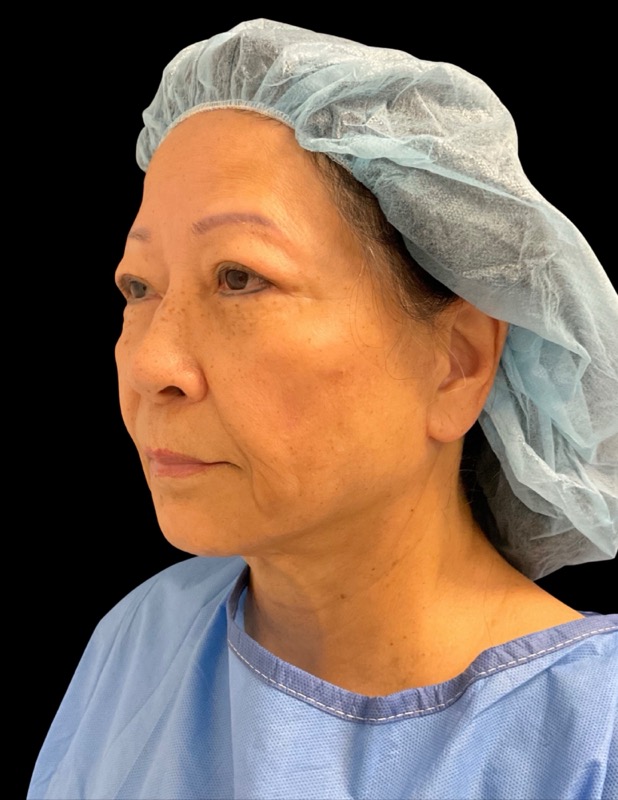
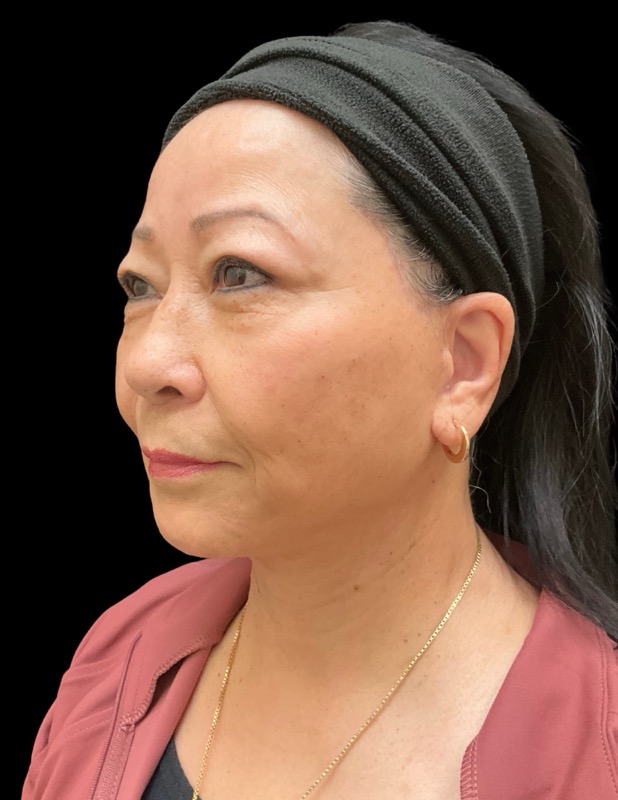
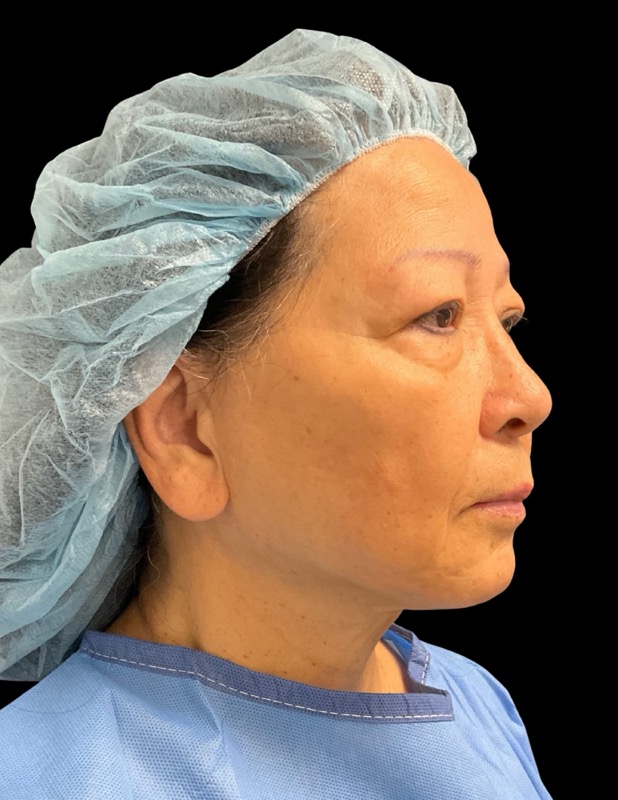
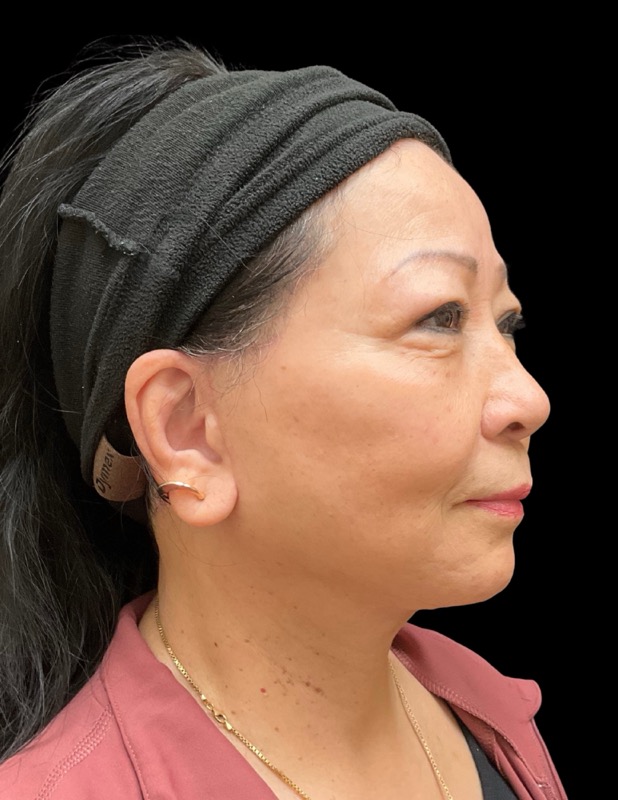
The Preservation Facelift is a signature surgical procedure that focuses on repositioning the underlying facial muscles and soft tissue rather than simply stretching the skin. While traditional facelift methods often rely on pulling the skin tight to smooth out wrinkles—which can lead to a "windblown" look—the Preservation technique respects the integrity of your natural facial anatomy.

The goal is to lift the facial tissues vertically and diagonally (vectors) to counteract the specific direction of aging. This restores the mid face and jawline to their original, youthful position. By addressing the underlying tissues, specifically the SMAS (Superficial Musculo-Aponeurotic System), Dr. Tseng creates a foundation that supports the facial skin from within. This allows for the removal of excess skin without placing tension on the incision lines, minimizing visible scars and ensuring natural looking results.

This approach is particularly effective for addressing sagging skin in the lower face, correcting drooping jowls, and softening deep facial folds. It is more comprehensive than a mini facelift but avoids the extensive dissection and trauma associated with older, more aggressive facelift techniques.

The "In-Office" Difference: Local Anesthesia

One of the most distinct advantages of the Preservation Facelift Kirkland patients appreciate is the setting. Unlike major plastic surgery requiring deep sedation and hospital infrastructure, this procedure is performed entirely in our private, accredited surgical suite under local anesthesia.

Why Local Anesthesia?

Many patients choose this option because it significantly reduces the "medical hangover" often associated with general anesthesia. You are comfortably numb and awake (or lightly dozing) during the four to five hour procedure, but you avoid the grogginess, nausea, and prolonged wake-up period of systemic sedation.

Who Is a Good Candidate?

The Preservation Facelift is versatile, making it an excellent option for a wide range of ages. While facelift surgery is often associated with older patients, this technique is increasingly popular among younger patients (40s and early 50s) who want to stay ahead of the aging curve.

You may be a good candidate if you possess:

  • Moderate to significant laxity in the lower face and neck.
  • Loss of definition along the jawline or the formation of jowls.
  • Deep wrinkles or nasolabial folds that fillers can no longer correct.
  • Loose skin or muscle banding in the neck area.
  • Good skin elasticity and a generally healthy lifestyle.

Non smokers are ideal candidates, as nicotine can impede blood flow and complicate the healing process. During your private consultation, Dr. Tseng will review your medical history, discuss your aesthetic goals, and determine if this specific facelift procedure aligns with your anatomy.

Preservation Facelift Kirkland and Bellevue

Understanding the Procedure

Dr. Tseng’s reputation is built on an almost obsessive attention to detail—a quality that is critical in plastic and reconstructive surgery. Because the Preservation Facelift is performed under local anesthesia, the environment is calm, unhurried, and precise.

The Technique

The surgery typically takes between 4 and 5 hours. Dr. Tseng utilizes a "deep-plane vector" approach. Instead of pulling the skin sideways (which creates the dreaded "pulled" look), he lifts the underlying muscles and fat pads vertically. This restores volume to the mid face and defines the jawline naturally.

Incision Placement

Incisions are meticulously mapped to hide within the natural contours of the ear and hairline. Because the tension of the lift is carried by the deep SMAS layer, the skin is draped gently over the new contour. This lack of tension on the skin edge is the secret to preventing visible scars. Over time, these incisions fade significantly, becoming virtually undetectable to the untrained eye.

Preservation Facelift vs. Other Techniques

Navigating the terminology of different facelift techniques can be confusing. Here is how the Preservation Facelift compares to other common options.

Vs. Mini Facelift

A mini facelift typically addresses only the skin and a small portion of the SMAS in the cheek area. It is a shorter procedure with less downtime, but the results are less dramatic and shorter-lived. The Preservation Facelift goes deeper, addressing the neck and jawline more comprehensively for a more sculpted appearance.

Vs. Traditional / Deep Plane Facelift

A full deep plane facelift involves releasing ligaments deeper in the face and is often reserved for patients with severe aging or heavy facial tissues. While powerful, it requires general anesthesia and a longer recovery. The Preservation Facelift borrows the effective vector-lifting concepts of the deep plane but applies them in a way that preserves tissue and reduces trauma, making it a "sweet spot" for most patients.

Vs. Non-Surgical Procedures

Treatments like thread lifts or RF microneedling are excellent for maintenance or early signs of aging, but they cannot remove excess skin or reposition muscle. If you have true sagging skin or jowling, surgery is the only way to achieve a predictable, lasting contour.

Recovery and Aftercare

One of the primary reasons patients find the Preservation Facelift appealing is the manageable recovery. Because we avoid the trauma of general anesthesia and aggressive dissection, the recovery time is often shorter than expected.

The First Week

You will go home with a head wrap to reduce swelling and support the tissues. Discomfort is usually mild to moderate and easily managed with oral medication. Most patients describe it as a feeling of tightness rather than acute pain. It is important to sleep with your head elevated to speed up the resolution of bruising.

Social Downtime

Most patients feel "socially presentable" within 10 to 14 days. While some residual swelling may persist for a few weeks, it is usually subtle enough to be hidden with hair or light makeup.

Long-Term Healing

Your final results will settle in over 3 to 6 months as the tissues soften and the incision lines mature. Adopting healthy habits—such as sun protection, staying hydrated, and avoiding smoking—will help maintain your refreshed appearance for years to come.

Complementary Procedures

The Preservation Facelift is a powerful tool for the lower face and neck, but facial aging rarely happens in isolation. To achieve comprehensive facial rejuvenation, many patients choose to combine this surgery with other treatments.

Neck Lift

While the Preservation Facelift improves the upper neck, patients with significant "turkey neck" or excess fat under the chin may require a dedicated neck lift or platysmaplasty. This tightens the neck muscles directly to create a sharp, elegant angle and eliminate a double chin.

Brow Lift & Blepharoplasty

The eyes and forehead often show signs of aging alongside the jawline. A brow lift can open up a heavy forehead, while eyelid surgery (blepharoplasty) removes bags and hooding. Doing these together ensures the upper face matches the youthful contour of the lower face.

Fat Grafting

Volume loss is a key component of aging. Dr. Tseng often uses facial fat transfer to restore fullness to hollow temples or cheeks, complementing the lift for a softer, more natural beauty.

Why Choose Dr. Tseng?

Choosing a plastic surgeon is a decision that requires trust and research. While many patients look for general credentials or a board certified facility for peace of mind, Dr. Mark Tseng offers something more specific: a background deeply rooted in reconstructive surgery.

Dr. Tseng’s approach to cosmetic surgery is informed by the discipline of reconstruction—where knowledge of blood supply, wound healing, and tissue viability is paramount. He does not view the face as a canvas for aggressive pulling, but as a complex structure that must be respected. This philosophy of "preservation" means he prioritizes your safety and your natural identity above all else.

Whether you are seeking to correct early signs of aging or looking for a comprehensive restoration, Dr. Tseng provides a customized treatment plan tailored to your anatomy. His extensive experience with Asian and Caucasian facial anatomy allows him to deliver results that respect your heritage and your personal aesthetic.

Your Consultation

If you are tired of seeing a tired stranger in the mirror, the Preservation Facelift may be the answer. We invite you to schedule a private consultation at our Kirkland office. Dr. Tseng will listen to your concerns, examine your facial anatomy, and help you understand if this customized treatment plan is right for you.

Rediscover your natural beauty with a procedure designed to preserve the essence of who you are. Contact Tseng Plastic Surgery today to learn more about facial rejuvenation on the Eastside.

Preservation Facelift Frequently Asked Questions

All surgical procedures involve incisions, but Dr. Tseng places them strategically within the hairline and natural creases of the ear. Because the tension is placed on the underlying muscles (SMAS) and not the skin, the scars typically heal as fine, faint lines that are difficult to see.

"Lunchtime" lifts are often marketing terms for non surgical procedures like threads, which offer temporary lifting by snagging the skin. The Preservation Facelift is a true facelift surgery that surgically removes excess skin and tightens muscle. The results are structural and last for years, whereas thread lifts often fade in months.

During your preoperative visit, we will review your medical history and certain medications. Blood thinners and certain supplements that increase bleeding will need to be paused to ensure a safe surgery and minimize bruising.

No. The "worked on" look usually comes from pulling the skin too tight or altering the facial features unnaturally. By preserving your natural ligaments and lifting the deeper layers vertically, Dr. Tseng ensures your facelift results look like a rested, younger version of you—not a different person.

The Preservation Facelift addresses the jawline and upper neck effectively. However, if you have significant muscle banding or a heavy neck, Dr. Tseng may recommend adding a dedicated neck surgery component to ensure the profile view is as sharp as the frontal view. This can usually be done during the same anesthesia session.

Yes. Our surgical suite operates with the same rigorous safety protocols you would expect from a hospital or board certified surgical center. Because we use local anesthesia, the risks associated with deep sedation are removed, making it a safer option for many patients.

While plastic surgery cannot stop the clock, it can turn it back. Most patients enjoy their rejuvenated look for 7 to 10 years or more. Your face will continue to age from this new set point, meaning you will always look younger than if you had not had the procedure.

Schedule your consultation with Dr. Mark Tseng, Bellevue and Kirkland’s trusted cosmetic plastic surgeon.

Relax in a luxurious, private environment where we focus on ensuring you are comfortable, cared for, and love your results.