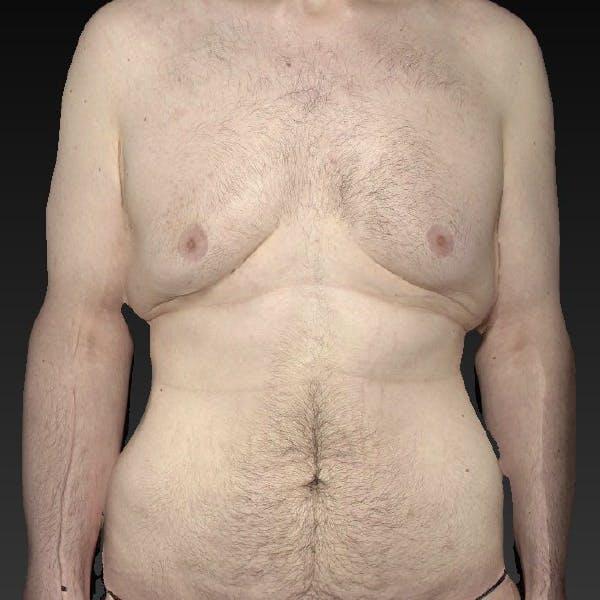
When men have an excess amount of breast tissue that will not go away with any amount of dieting or exercise, they may feel as though their masculinity is being compromised. The medical term for this condition is gynecomastia, and it affects around half of the male population. For many men, it is a cause of insecurity and embarrassment. If you're interested in receiving gynecomastia surgery Bellevue Plastic Surgeon Dr. Tseng can correct male breasts and reshape your chest to give you the defined male physique you desire.
Gynecomastia can happen to any man at any stage of life. Gynecomastia is common in pubescent boys. It usually corrects itself later on in puberty, but for some individuals, it never goes away. Many men also develop gynecomastia later in life. Up to 65 percent of middle-aged and older men are affected by an excess of breast tissue.
Gynecomastia surgery, also called male breast reduction, removes excess glandular breast tissue, localized fat, or both to create a flatter and more defined chest. The procedure is tailored to the type of tissue causing the fullness, since true gynecomastia can involve glandular tissue that will not respond to diet or exercise alone.
For some patients, liposuction is enough to reduce excess fatty tissue. Others need direct excision of firmer glandular tissue beneath the nipple, and the two techniques can be combined when both are present. In more advanced cases, excess skin or an enlarged areola may also need to be addressed as part of the surgical plan.
Gynecomastia can affect the chest in several different ways, from a small amount of fullness directly beneath the nipple to more extensive enlargement involving fat, glandular tissue, and loose skin. Surgery is planned around the specific anatomy creating the concern.
Gynecomastia surgery may address:
The procedure may treat one side of the chest or both, depending on how gynecomastia presents.
Gynecomastia can be corrected with surgery to remove the excess breast tissue on a man’s chest and give his chest a more masculine appearance. If you experience genetic gynecomastia, surgery is the only effective option to correct male breasts. Gynecomastia surgery removes the excess glandular tissue and fat and tightens the area, creating a pectoral area that is defined and taut.
After having a thorough consultation with Dr. Tseng to discuss your aesthetic goals, he will design a custom surgical plan for you. Gynecomastia surgery is performed with general anesthesia. The procedure varies depending on your specific needs to correct your gynecomastia. For some patients, all that is required is liposuction to remove excess fat and tighten the chest. For others, an excision technique is used if they have an abundance of glandular tissue in addition to fat. Often, both the excision technique and liposuction are used to create ideal results.
When you receive gynecomastia surgery Bellevue Plastic Surgeon, Dr. Mark Tseng, ensures the incisions are made in discrete areas to create minimal visible scarring. Depending on your unique needs, the incision site may vary. Typically, after you have healed, people will only be able to notice your new sculpted, masculine chest.
Gynecomastia surgery can eliminate the undesired soft, feminine look that male breasts bring. Benefits of surgically correcting gynecomastia include:
After you receive gynecomastia surgery Bellevue patients' chests will need to be supported by a compression garment. Early on in the healing process, it is possible that you will have drainage tubes to remove any build-up of fluid in the area. Some swelling and bruising are common within the first two weeks after your procedure. It is essential that you avoid any vigorous exercise or high-energy activities for six weeks so you can heal. You must not place any stress on the incisions throughout the recovery period.
Male breast reduction requires an accurate understanding of what is creating the fullness in the first place. Fat, glandular tissue, loose skin, and asymmetry can each require a different surgical approach, and many patients have more than one of these concerns.
Dr. Mark Tseng brings more than two decades of experience in cosmetic plastic surgery to gynecomastia treatment in Bellevue. He evaluates the amount and location of excess tissue, skin quality, nipple and areola position, and the shape of the surrounding chest before determining whether liposuction, direct excision, or a combination will create the strongest contour. Incisions are planned with scar visibility in mind, with the focus on creating a chest that looks balanced and proportionate to the rest of your frame.

The cost of gynecomastia surgery in Bellevue depends on the type and amount of tissue being removed, whether treatment requires liposuction, glandular excision, skin removal, or a combination, as well as anesthesia and facility fees.
A patient who needs limited liposuction will have a different surgical plan from someone who requires direct removal of dense glandular tissue or more extensive chest reshaping. Your consultation with Dr. Tseng provides the clearest estimate because pricing can be based on the procedure needed for your anatomy.
Exercise and weight loss can reduce chest fat, but they cannot remove true glandular breast tissue. If persistent fullness is caused by glandular tissue, surgery may be needed to remove it.
Gynecomastia commonly involves firm glandular tissue beneath the nipple or areola, while chest fat tends to feel softer and more diffuse. Many patients have a combination of both. A physical examination can determine which type of tissue is contributing to the fullness.
Yes. Any surgery that removes glandular tissue or skin requires an incision. Incision location depends on the technique used, and Dr. Tseng plans placement to keep scars as discreet as the procedure allows. Scars generally fade with time but do not disappear completely.
The glandular tissue and fat removed during surgery do not regenerate in the same way, but future weight gain, hormonal changes, certain medications, or anabolic steroid use can affect the chest again. Maintaining a stable weight and addressing contributing factors can help protect the result.
The most noticeable swelling and bruising generally improve during the first few weeks. Residual swelling can continue to settle for several months as the chest reaches its final contour.
Light walking begins early, but chest workouts, heavy lifting, and strenuous exercise need to wait while the incisions and deeper tissues heal. The current Tseng recovery guidance advises avoiding vigorous activity for about six weeks, with Dr. Tseng determining when you can safely resume your normal routine.
Pricing depends on whether your procedure requires liposuction, glandular excision, skin removal, or a combination, along with anesthesia and facility costs. A consultation provides the most accurate estimate for your surgical plan.
Relax in a luxurious, private environment where we focus on ensuring you are comfortable, cared for, and love your results.